
Compare Local Contractors for Reliable Roof Leak Detection
Compare local contractors for roof leak detection to verify experience, define scope clearly, and set expectations in writing for a reliable repair.
Roof leak detection services typically involve inspecting a roof to identify the source of water intrusion and determine the extent of damage. This process often includes visual examinations, moisture measurements, and sometimes non-invasive testing methods to pinpoint leaks without unnecessary disruption. Clear communication about what the inspection covers helps property owners understand the scope of the work and ensures that the contractor’s approach aligns with the specific concerns of the building. Defining the scope upfront can prevent misunderstandings and set realistic expectations about what the inspection will reveal and how it will inform subsequent repairs.
Establishing a well-defined scope of work is essential when working with contractors for roof leak detection. It helps clarify the methods to be used, the areas to be examined, and the types of findings to be reported. Property owners should verify that the service providers have relevant experience with similar roof types and leak issues, as this can influence the accuracy and thoroughness of the inspection. Documenting what is included and excluded in the scope of work in written form provides a reference point for both parties, reducing the potential for disagreements and ensuring that everyone has a shared understanding of the process.
Comparing local contractors involves evaluating their experience, reputation, and the scope of services they offer. Property owners can seek out reviews or references to gauge the reliability and quality of the service providers. It’s also beneficial to ask for detailed descriptions of their inspection procedures and to confirm that the scope of work matches the specific needs of the property. By carefully examining how each contractor plans to approach leak detection, property owners can make informed decisions based on the professionalism and thoroughness of the services provided, leading to a more effective and transparent process.
Compare local contractors by outlining your priorities, verifying experience, and setting clear scope and expectations in writing.
- Compare Contractor Experience - review the backgrounds and past work of local contractors to assess their expertise in roof leak detection.
- Define Scope Clearly - specify the areas and methods involved to ensure all parties understand the work required.
- Verify Service Capabilities - confirm that local contractors have the necessary tools and knowledge to identify leaks accurately.
- Document Expectations in Writing - establish detailed agreements to set clear project scope and prevent misunderstandings.
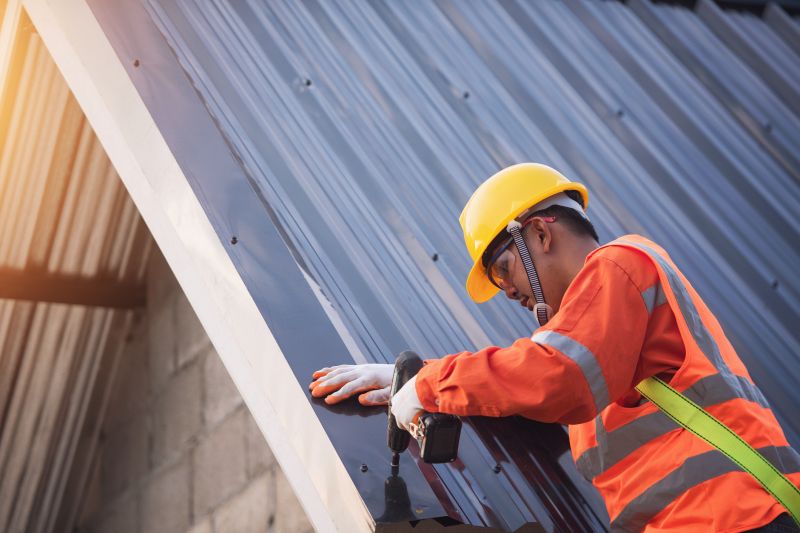
Clearly describe your roof leak detection project to effectively compare local contractors, verify experience, and set clear expectations.
- Verify experience and expertise of local contractors in roof leak detection services. - Ensure service providers have a proven track record of diagnosing and locating roof leaks accurately.
- Compare the scope of services offered by different local contractors to ensure comprehensive leak detection. - Look for providers who clearly define what is included in their leak detection process.
- Check references or reviews to assess the reliability and quality of previous roof leak detection work. - Gather insights from past customers to evaluate contractor performance.
- Confirm that service providers will provide a written scope of work and detailed inspection findings. - Clear documentation helps set expectations and avoid misunderstandings.
- Assess the methods and tools used by local contractors for leak detection to ensure thoroughness. - Ask about techniques like moisture surveys, infrared scanning, or other non-invasive methods.
- Ensure that the contractor explains the process and findings in understandable terms before work begins. - Proper communication helps in making informed decisions about the necessary repairs.
Compare local contractors’ experience and clarify scope to ensure effective roof leak detection services.
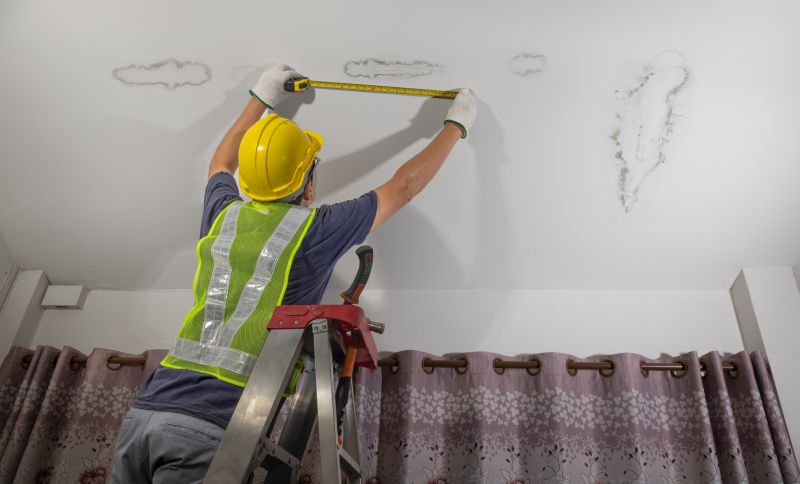
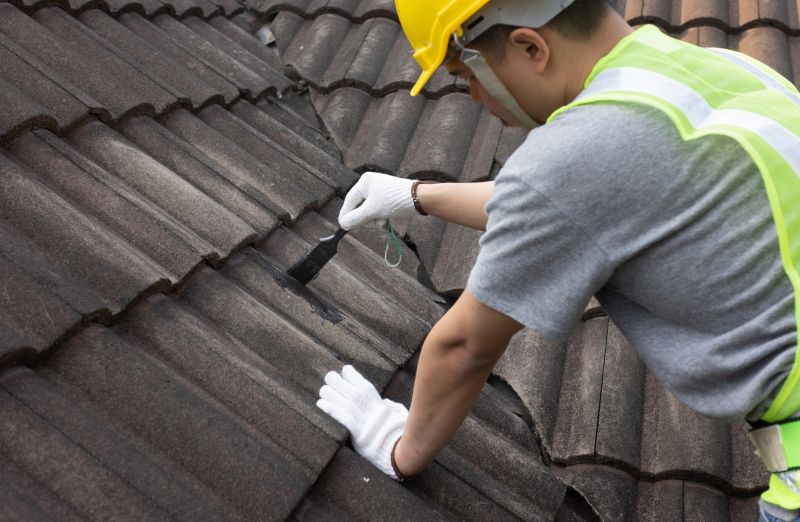
Compare local contractors’ scope, experience, and written expectations to ensure consistent, reliable roof leak detection services.
- Scope Definition - Clearly outline the specific areas of the roof to be inspected for leaks.
- Detection Methods - Identify the techniques and tools that will be used to locate leak sources accurately.
- Experience Verification - Confirm that the service providers have relevant experience in roof leak detection.
- Scope Documentation - Ensure all work details, including procedures and areas covered, are documented in writing.
- Comparison Criteria - Establish consistent standards to compare different local contractors’ approaches and scope of work.
When evaluating contractors for roof leak detection, it’s important to consider their experience with similar projects. Homeowners should inquire about the types of roofs and leak issues the service providers have handled in the past. A contractor with a proven track record in diagnosing leaks on comparable roofing systems is more likely to understand the common problem areas and effective detection methods. This background can help ensure that the chosen professional has relevant expertise, reducing the likelihood of missed issues or unnecessary repairs.
A clear, written scope of work is essential when comparing different service providers. Homeowners should seek detailed descriptions of what the roof leak detection process will involve, including the tools and techniques to be used, as well as what areas will be inspected. Having a documented scope helps set expectations and provides a basis for comparing the thoroughness of each contractor’s approach. It also creates a reference point for any follow-up questions or clarifications needed before work begins.
Verification basics involve understanding how a contractor plans to confirm the presence and location of a leak. Homeowners should ask about the methods used to verify leak sources, such as visual inspections, moisture testing, or other diagnostic tools. A professional who employs a combination of reliable verification techniques is more likely to accurately identify the leak’s origin, preventing unnecessary or invasive repairs. Clarifying these verification steps in writing can also help ensure transparency and accountability throughout the process.
When comparing options, it’s useful to evaluate how each contractor plans to approach the project and the level of detail they provide in their proposals. Homeowners should look for service providers who offer comprehensive written descriptions of their methods and scope, rather than vague or overly broad statements. This clarity helps in assessing the thoroughness and professionalism of each contractor. By focusing on the quality of the proposed approach and the transparency of their communication, homeowners can make informed decisions that align with their expectations for a thorough and reliable roof leak detection service.
Ask contractors to provide written scope details to ensure clarity and consistency throughout the roof leak detection process.
- Experience and Expertise - What experience do the local contractors have with roof leak detection?
- Scope of Services - How do contractors define the specific scope of work for leak detection?
- Detection Methods - What techniques and tools do service providers use to identify roof leaks accurately?
- Warranty and Follow-up - Do contractors offer any warranties or follow-up services after leak detection?
- Communication and Clarification - How will the scope and findings be documented and communicated in writing?
How can I compare contractors for roof leak detection services? It's helpful to review their experience, reputation, and the scope of services offered, and to request clear written descriptions of the work involved.
What should I ask contractors to define the scope of roof leak detection? Inquire about the methods they plan to use, areas they will inspect, and how they will identify the source of the leak to ensure clarity on the process.
How can I verify a contractor's experience in roof leak detection? Check for references or reviews, ask about their past projects, and confirm how long they have been providing leak detection services in the area.
Why is it important to get the scope of work in writing? Having a written scope helps set clear expectations, prevents misunderstandings, and provides a record of what services are included.
What factors should I consider when choosing a roof leak detection contractor? Consider their experience, reputation, the detail of their inspection process, and whether they provide a comprehensive written plan.
How can I ensure the contractor's methods align with my expectations? Discuss their detection techniques, ask for explanations of their approach, and confirm that all aspects of the inspection are covered in the scope of work.
By reviewing the information provided, visitors can better understand how to identify qualified contractors for roof leak detection, including clarifying project scope, verifying experience, and establishing clear expectations in writing. This approach helps ensure that the process of choosing a service provider is informed and straightforward. To explore options and compare local contractors, using the quote form is a practical step toward connecting with experienced service providers in the area.
Taking a moment to utilize the quote form allows visitors to compare available local contractors who specialize in roof leak detection. This can facilitate finding the right professional to handle the job based on scope, experience, and communication preferences. Making an informed choice is easier when options are reviewed and details are clarified upfront through this process.